In the world of precious metals, gold has long been revered for its timeless luster and malleability, yet its color spectrum has traditionally been confined to a narrow range—yellow, white, rose, and occasionally green or purple through alloying. However, a groundbreaking innovation is reshaping this landscape: the use of rare earth elements to impart extraordinary and previously unattainable colors to gold, creating shades that defy conventional color charts and open new avenues for artistry, jewelry, and technological applications.
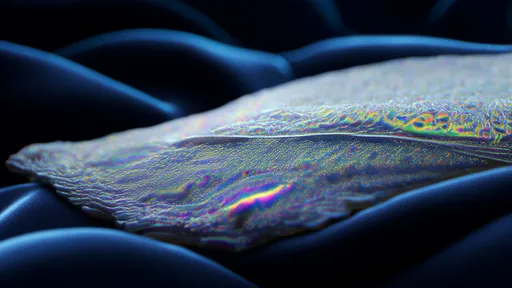
The process involves integrating specific rare earth elements—such as europium, terbium, dysprosium, or neodymium—into gold alloys at precise concentrations and under controlled conditions. Unlike traditional alloying metals like copper, silver, or nickel, which shift gold's hue within familiar warm or cool tones, rare earth elements interact with gold's electron structure to produce vibrant, often iridescent colors that can range from deep blues and radiant greens to fiery oranges and even chromatic shifts that change with lighting or angle. This is not merely a surface treatment but a fundamental alteration of the metal's optical properties, resulting in stable, durable colors embedded within the gold itself.
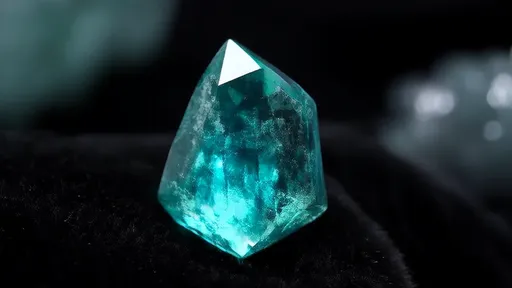
What makes this technique so revolutionary is its departure from the limitations of traditional color creation in metals. For centuries, jewelers and metallurgists have relied on well-documented alloy recipes to achieve variations, but these are bound by the inherent properties of the base metals used. Rare earth elements, with their unique luminescent and chromatic characteristics, introduce a new dimension. For instance, europium can yield a rich red or blue glow under certain lights, while neodymium might create a subtle violet or grayish tint that appears to transform throughout the day. These effects are not just visually stunning but also highly customizable, allowing for bespoke colors tailored to specific designs or client preferences.
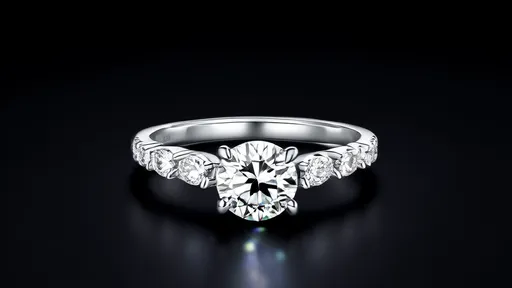
The implications extend far beyond aesthetics. In high-end jewelry, this technology enables the creation of one-of-a-kind pieces that stand out in a crowded market. Imagine an engagement ring with a gold band that shimmers in an ethereal aquamarine never seen before, or a pendant that shifts from bronze to emerald as it moves. Such uniqueness appeals to consumers seeking personalized luxury and storytelling in their accessories. Moreover, because the colors are integral to the metal, they do not fade, tarnish, or wear off like platings or coatings, ensuring longevity and value.
Beyond jewelry, there are potential applications in technology and industry. Gold is already valued in electronics for its conductivity and corrosion resistance; now, colored gold alloys could be used in premium devices for both functional and decorative purposes, such as in luxury smartphones or wearable tech where distinct, branded colors matter. Additionally, the anti-counterfeiting sector might leverage these unique hues for authentication, as replicating the precise rare earth-gold combination would be exceptionally difficult without specialized knowledge and equipment.
However, this innovation is not without challenges. Rare earth elements are notoriously difficult to source and refine, often involving complex extraction processes and geopolitical considerations, as major deposits are concentrated in a few countries. This can drive up costs and limit scalability, making rare earth-colored gold a premium product for niche markets initially. Furthermore, working with these elements requires advanced metallurgical expertise to avoid brittleness or other structural compromises in the gold alloy. Research is ongoing to optimize ratios and processing techniques to ensure both beauty and durability.
Despite these hurdles, the future looks bright for rare earth-colored gold. As techniques improve and become more accessible, we may see a broader adoption in various fields. Artisans and designers are already experimenting with these materials, pushing the boundaries of what gold can represent—no longer just a symbol of wealth, but a canvas for innovation and expression. This trend aligns with a growing consumer desire for sustainability and uniqueness; by creating lasting, distinctive products, it reduces the need for disposable fashion and emphasizes quality over quantity.
In conclusion, the fusion of rare earth elements with gold is more than a technical marvel—it is a artistic and industrial breakthrough that redefines the very essence of this ancient metal. By transcending the traditional color palette, it offers a glimpse into a future where materials are not just functional but deeply personalized and dynamic. As this technology evolves, it promises to enrich not only our adornments but also our technological landscape, proving that even the most classic elements can be reinvented for modern creativity.
By /Aug 27, 2025
By /Aug 27, 2025

By /Aug 27, 2025

By /Aug 27, 2025

By /Aug 27, 2025
By /Aug 27, 2025
By /Aug 27, 2025

By /Aug 27, 2025

By /Aug 27, 2025
By /Aug 27, 2025
By /Aug 27, 2025
By /Aug 27, 2025
By /Aug 27, 2025
By /Aug 27, 2025

By /Aug 27, 2025
By /Aug 27, 2025

By /Aug 27, 2025

By /Aug 27, 2025

By /Aug 27, 2025
By /Aug 27, 2025
