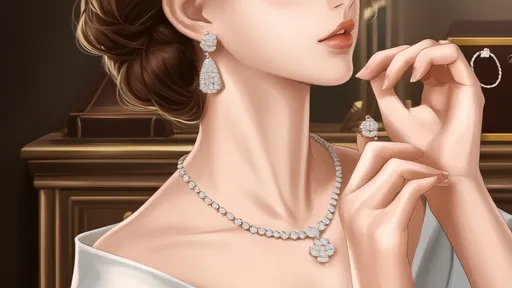
Many jewelry enthusiasts cherish the ritual of cleaning their precious pieces at home, finding satisfaction in restoring sparkle with their own hands. While the intention is to preserve beauty, the path to a brilliant shine is fraught with potential hazards lurking in plain sight within our household cabinets. Common cleaning agents, though effective on surfaces like countertops or windows, can be silently destructive to the delicate metals and gemstones we aim to protect. Understanding which chemicals to avoid is not merely a suggestion—it is the fundamental first step in responsible jewelry care, a crucial barrier between a cherished heirloom and irreversible damage.
The allure of a quick and convenient clean often leads well-intentioned owners to reach for potent chemicals that promise powerful results. However, the very strength that makes these substances effective cleaners also renders them dangerous to jewelry. The damage inflicted is often not immediately visible; it can be a slow, cumulative process of erosion, discoloration, and dulling that becomes tragically apparent only after it is too late to reverse. This makes proactive knowledge your most valuable tool, a shield that protects your investments from unintentional harm caused by a simple misstep in product selection.
Perhaps the most notorious offender in the home is bleach. This powerful oxidizing agent is a staple for whitening laundry and disinfecting surfaces, but its interaction with jewelry is profoundly damaging. Bleach is particularly aggressive towards metals. It can cause severe corrosion and pitting in gold, especially lower karat gold which contains alloy metals more susceptible to chemical attack. For platinum and silver, bleach can create a dull, lifeless surface film that is incredibly difficult to polish away. The danger extends to gemstones as well; bleach can permanently cloud and discolour porous gems like pearls, coral, and turquoise, and can even loosen the adhesive used in settings, potentially causing stones to fall out.
Another household giant to strictly avoid is chlorine, commonly found in swimming pools and strong cleaning products like toilet bowl cleaners. Its effects are similar to those of bleach, as it is also a harsh chemical that attacks metal alloys. Prolonged or repeated exposure to chlorine is a leading cause of the weakening of gold jewelry, making prongs brittle and increasing the risk of breakage and stone loss. It is the silent enemy of everyday wear, especially for rings that might be worn while cleaning or swimming. The damage is often microscopic at first, a gradual degradation of the metal's integrity that compromises the entire structure of the piece.
Acetone, a powerful solvent found in nail polish remover, presents a more nuanced threat. While it is sometimes cautiously used by professionals to clean certain sturdy gemstones like diamonds, it is disastrous for many other materials. Acetone can dissolve plastics and resins, making it instantly destructive to jewelry pieces that incorporate these materials. It can also strip the natural oils from organic gems like pearls and amber, leaving them dry, cracked, and lifeless. For any jewelry with unknown components or delicate organic stones, the rule is simple: keep it far away from acetone.
Many turn to ammonia-based cleaners for glass and windows, believing them to be a safer alternative. While ammonia can be used in very diluted, specific formulas for soaking some types of diamond and platinum jewelry, its concentrated form found in household products is far too strong. High concentrations of ammonia can damage the polish and finish of gold and can be especially harmful to colored gemstones like emeralds and opals, which are often treated with oils or resins to enhance their appearance. Ammonia can dissolve these treatments, leaving the stone exposed and dramatically altering its color and clarity.
Even seemingly gentle substances like toothpaste are a common pitfall for jewelry cleaners. Marketed as a polishing agent for teeth, toothpaste contains mild abrasives like silica. When applied to jewelry, these abrasives do not polish but instead scratch the surface of metals and softer stones, creating a network of fine, microscopic scuffs that collectively diffuse light and permanently rob the piece of its mirror-like brilliance. The effect is a gradual dulling, a loss of luster that no amount of subsequent polishing can fully restore.
Vinegar, lemon juice, and other acidic household products pose a significant threat due to their corrosive nature. These acids, while natural, can eat away at the surface of metals like copper, brass, and silver, leading to discoloration and tarnishing. They can also etch and dull the surfaces of calcium-based gems like pearls and turquoise, permanently damaging their delicate nacreous layers. The acidic environment breaks down the structural integrity of both metal and stone, leading to long-term degradation that is often irreversible.
The risks extend beyond pure chemicals to harsh abrasives found in scouring powders and stiff-bristled brushes. These physical agents scratch and scour the surface of metals, removing not only tarnish but also microscopic layers of the metal itself. For gemstones, especially those with a lower hardness rating, these abrasives can leave permanent scratches that cloud the stone's transparency and clarity. The goal of cleaning is to preserve the surface, not to aggressively strip it away, making gentle tools and non-abrasive cleaners the only safe choice.
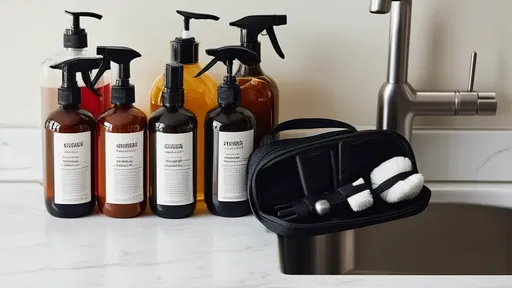
So, what is the safe path forward? The cornerstone of safe home jewelry care is a solution of mild, grease-cutting dish soap and lukewarm water. A few drops of a neutral soap like Dawn or Ivory mixed in a bowl of water creates a gentle yet effective cleaning bath. The process is simple: a soft soak, a gentle agitation with a supremely soft-bristled brush (like a baby toothbrush), a thorough rinse with clean water, and a careful pat dry with a lint-free cloth. This method is overwhelmingly effective at removing the daily grime of body oils, lotions, and dust without introducing any chemical or physical threats to the piece.
Ultimately, the most powerful tool in your jewelry care arsenal is knowledge and restraint. When in doubt about a cleaning method or a piece's composition, the safest action is always to do nothing. Refraining from cleaning is infinitely better than proceeding with a harmful chemical. For valuable, antique, or delicate pieces, the guidance of a professional jeweler is not an extravagance—it is an essential investment in preservation. They possess the expertise and professional-grade tools to clean and inspect your jewelry safely, ensuring its beauty and integrity endure for generations to come. Your jewelry tells a story; protecting it from common household hazards ensures that story doesn't have a premature and unfortunate ending.
By /Aug 27, 2025
By /Aug 27, 2025

By /Aug 27, 2025

By /Aug 27, 2025

By /Aug 27, 2025
By /Aug 27, 2025
By /Aug 27, 2025
By /Aug 27, 2025
By /Aug 27, 2025
By /Aug 27, 2025
By /Aug 27, 2025
By /Aug 27, 2025
By /Aug 27, 2025
By /Aug 27, 2025

By /Aug 27, 2025
By /Aug 27, 2025

By /Aug 27, 2025
By /Aug 27, 2025
By /Aug 27, 2025
By /Aug 27, 2025
