The fashion industry stands on the brink of a transformative shift as modular clothing systems gain traction among designers and consumers alike. This revolutionary approach to garment construction challenges the very foundations of how we perceive, purchase, and interact with our wardrobes. At its core, modular fashion represents a fundamental rethinking of clothing as temporary assemblages of interchangeable components rather than permanent, fixed items.
The concept of replaceable parts in clothing isn't entirely new - military uniforms and workwear have long incorporated this principle for practical purposes. However, what began as functional necessity has evolved into an avant-garde design philosophy that merges sustainability with personal expression. Contemporary modular systems now offer consumers the ability to customize their appearance down to the smallest detail while dramatically reducing textile waste.
Several pioneering brands have emerged as leaders in this space, developing sophisticated connection systems that allow for seamless mixing of components. Magnetic closures, innovative zipper technologies, and precision-engineered textile fasteners enable sleeves, collars, pockets, and even entire garment sections to be swapped in seconds. These technical solutions maintain the drape and movement of traditional clothing while offering unprecedented versatility.
The environmental implications of modular fashion could be profound. By designing garments for disassembly, companies create opportunities for targeted repairs and upgrades rather than wholesale replacements. A damaged sleeve or worn cuff can be exchanged without discarding the entire garment. This approach aligns perfectly with circular economy principles, potentially extending the lifespan of clothing items by years or even decades.
Consumer behavior studies suggest that modular systems resonate particularly well with younger generations who value both sustainability and personalization. The ability to refresh one's wardrobe by acquiring just a few new components rather than complete outfits appeals to budget-conscious shoppers. Social media has amplified this trend, with platforms like Instagram and TikTok becoming showcases for the endless styling possibilities these systems offer.
Technical challenges remain before modular clothing can achieve mainstream adoption. Durability testing of connection points, washing compatibility across components, and sizing standardization all present complex engineering problems. Some critics argue that the current cost of high-quality modular garments places them out of reach for most consumers, though prices are expected to decrease as production scales up.
The psychological relationship between wearers and their modular garments reveals fascinating insights. Early adopters report developing deeper attachments to certain components while maintaining more utilitarian relationships with others. This selective emotional connection suggests modular systems might actually enhance rather than diminish the sentimental value we place on clothing.
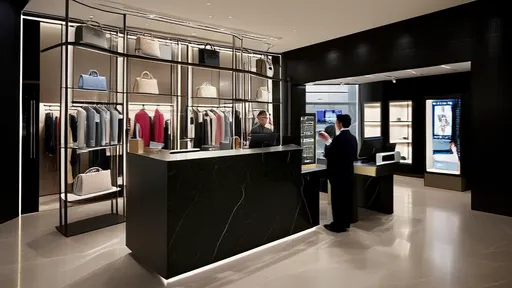
Retail models are adapting to accommodate this new paradigm. Forward-thinking brands now offer subscription services for modular components, rotating seasonal elements while maintaining core pieces. Physical stores are redesigning layouts to emphasize mix-and-match possibilities, with some eliminating traditional sizing categories altogether in favor of adjustable, modular designs.
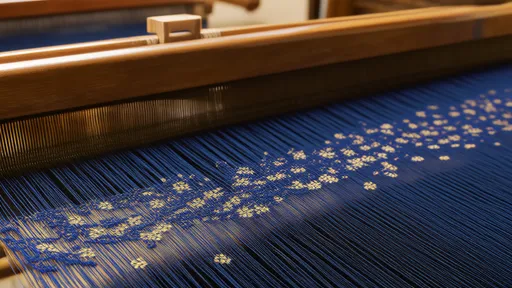
Material innovation plays a crucial role in advancing modular fashion. Researchers are developing self-repairing textiles, color-changing fabrics, and even programmable materials that can alter their properties based on external stimuli. These advancements promise to expand the functionality of modular systems far beyond current capabilities.
The implications for fashion education are equally significant. Design schools are beginning to incorporate modular principles into their curricula, teaching students to think in terms of systems rather than discrete garments. This represents a fundamental shift in design pedagogy that could reshape the industry's future.
High-profile collaborations between modular clothing brands and mainstream retailers indicate growing industry acceptance. Recent capsule collections featuring modular elements from major fashion houses suggest the concept is moving from niche experiment to viable commercial strategy. Fashion weeks worldwide now regularly feature modular designs alongside traditional collections.
Consumer electronics companies have taken notice of this trend, with several tech giants exploring partnerships with modular clothing brands. The integration of wearable technology with interchangeable garment systems presents exciting possibilities for the future of functional fashion.
Cultural resistance remains perhaps the greatest barrier to widespread adoption. The emotional attachment to traditional garments and the symbolic meaning we ascribe to complete outfits present psychological hurdles. Some industry analysts believe hybrid approaches - combining modular elements with conventional construction - may serve as a transitional phase.
The economic model of modular fashion challenges traditional retail metrics. With consumers potentially purchasing fewer complete garments but more individual components, brands must rethink inventory management, marketing strategies, and even how they measure success. This disruption extends throughout the supply chain, affecting everything from fabric sourcing to manufacturing processes.
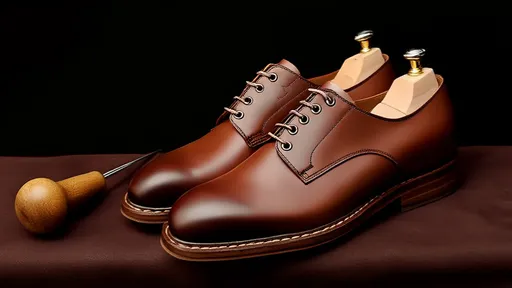
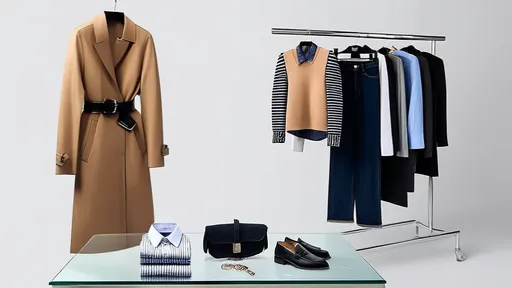
As the technology matures, we're beginning to see modular principles applied beyond clothing to accessories and footwear. Complete modular wardrobe systems that encompass everything from outerwear to shoes are now in development, promising unprecedented coordination and versatility in personal style.
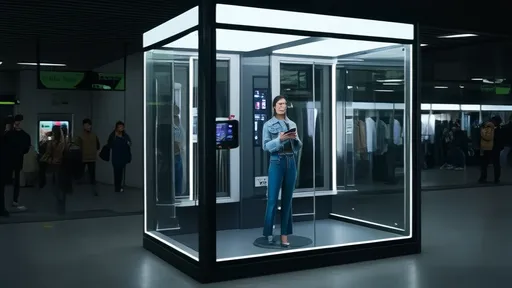
The future of modular fashion may lie in digital integration. Augmented reality fitting systems, digital wardrobe planners, and AI-powered style assistants could help consumers navigate the increased complexity that modular systems introduce. These digital tools may prove essential in making modular fashion accessible to the average consumer.
Industry forecasts suggest modular clothing could capture a significant portion of the global apparel market within the next decade. As environmental regulations tighten and consumer awareness grows, the economic case for modular systems becomes increasingly compelling. What began as a niche design experiment is rapidly evolving into a viable alternative to conventional fashion production.
The modular revolution in clothing represents more than just a new way to dress - it challenges us to reconsider our relationship with material possessions in an era of environmental crisis. By making our wardrobes adaptable, upgradable, and ultimately more sustainable, this innovation points toward a future where fashion and responsibility coexist harmoniously.

By /Aug 13, 2025
By /Aug 13, 2025

By /Aug 13, 2025
By /Aug 13, 2025
By /Aug 13, 2025

By /Aug 13, 2025
By /Aug 13, 2025

By /Aug 13, 2025

By /Aug 13, 2025
By /Aug 13, 2025
By /Aug 13, 2025
By /Aug 13, 2025

By /Aug 13, 2025
By /Aug 13, 2025

By /Aug 13, 2025

By /Aug 13, 2025

By /Aug 13, 2025
By /Aug 13, 2025
By /Aug 13, 2025
By /Aug 13, 2025
