The fashion industry is undergoing a quiet revolution, one that challenges the very notion of ownership in the luxury sector. At the heart of this transformation lies the concept of the Fashion Library 2.0 – a sophisticated membership-based rental model that grants access to coveted designer pieces without the lifelong commitment of purchase. This isn't merely about borrowing clothes; it's a fundamental shift in how we engage with high fashion.
Gone are the days when luxury was synonymous with exclusivity through possession. A new generation of consumers, particularly millennials and Gen Z, are redefining what it means to be fashionable. They crave variety, sustainability, and experience over accumulation. The luxury rental membership model speaks directly to these desires, offering a rotating wardrobe of high-end pieces for different occasions, moods, and seasons.
What sets Fashion Library 2.0 apart from traditional rental services is its curated approach. These aren't simply warehouses of clothing; they function more like exclusive clubs where members gain access to carefully selected collections. The curation often reflects current runway trends, vintage treasures, and even pieces from emerging designers that haven't hit mainstream retail yet.
The membership structure varies across different platforms, but the most successful ones offer tiered systems. Entry-level might provide access to contemporary designer pieces, while premium tiers unlock couture and rare vintage finds. Some even include styling consultations, early access to new arrivals, and exclusive invitations to fashion events as part of the package.
From a sustainability perspective, this model presents an attractive alternative to fast fashion's environmental toll. A single designer garment circulating among multiple members significantly reduces the carbon footprint compared to multiple cheaper garments being produced, worn briefly, and discarded. It's not uncommon for high-quality pieces in these libraries to have dozens of wears across different members while maintaining their condition.
The business model proves equally attractive to luxury brands themselves. Facing the challenge of appealing to younger demographics while maintaining exclusivity, many houses see controlled rental programs as a solution. It allows them to reach customers who might not yet afford full purchase prices while protecting their brand equity. Some forward-thinking labels have even begun creating pieces specifically for the rental market.
Technology plays a crucial role in this ecosystem. Advanced inventory systems track each garment's lifecycle, while AI-powered recommendation engines suggest pieces based on members' preferences and past rentals. High-resolution imagery and detailed product descriptions recreate the luxury shopping experience digitally. Some platforms even employ augmented reality for virtual try-ons.
Logistics form another critical component. These services invest heavily in professional cleaning, repairs, and quality control to ensure each piece meets luxury standards every time it changes hands. The packaging and unboxing experience often rivals that of purchasing directly from boutiques, maintaining the sense of occasion that luxury consumers expect.
Psychologically, the model taps into our changing relationship with possessions. In an era of Marie Kondo and minimalism, people increasingly value experiences over things. Being able to wear a stunning designer gown for a gala without it languishing in a closet afterward aligns perfectly with this mindset. It's fashion as a service rather than fashion as property.
The financial implications are equally compelling. For the price of one or two designer purchases per year, members can access dozens of pieces. This democratization of luxury allows fashion enthusiasts to experiment with styles they might not commit to permanently. It also enables them to wear appropriate attire for different occasions without breaking the bank.
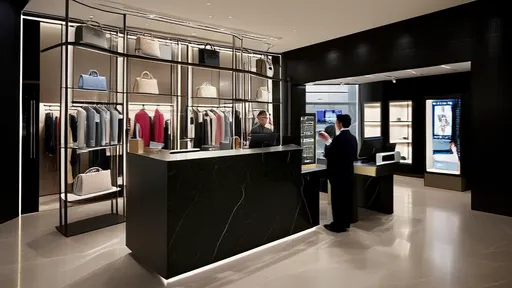
Looking ahead, the Fashion Library 2.0 concept continues to evolve. Some predict the integration of blockchain technology to authenticate pieces and track their histories. Others envision physical clubhouses where members can browse collections in person or attend styling workshops. The potential collaborations between these platforms and fashion weeks or celebrity stylists could further elevate the experience.
As consumer behaviors shift and environmental concerns grow, the luxury rental membership model appears poised for significant expansion. It represents not just an alternative way to access fashion, but potentially the future of how we'll engage with luxury goods across categories. The Fashion Library 2.0 isn't merely changing wardrobes—it's redefining ownership in the digital age.
By /Aug 13, 2025
By /Aug 13, 2025

By /Aug 13, 2025

By /Aug 13, 2025

By /Aug 13, 2025

By /Aug 13, 2025
By /Aug 13, 2025

By /Aug 13, 2025
By /Aug 13, 2025
By /Aug 13, 2025
By /Aug 13, 2025
By /Aug 13, 2025

By /Aug 13, 2025
By /Aug 13, 2025

By /Aug 13, 2025

By /Aug 13, 2025
By /Aug 13, 2025
By /Aug 13, 2025
By /Aug 13, 2025
By /Aug 13, 2025
