The art of layering has long been celebrated in fashion circles, but the Japanese-inspired "Four-Layer Dressing Formula" has recently taken the style world by storm. This sophisticated approach to building an outfit - vest + shirt + knitwear + outerwear - offers both aesthetic appeal and practical functionality for transitional weather dressing.
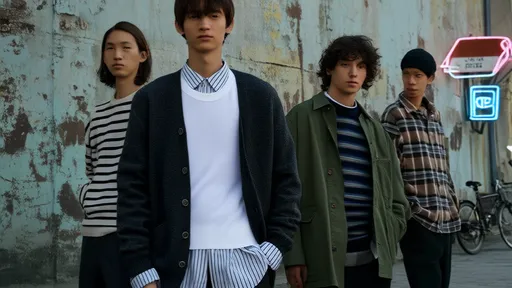
What makes this particular layering formula so compelling is its perfect balance between structure and fluidity. The base vest provides a sleek foundation, while the shirt adds crispness. The knitwear introduces texture and warmth, with the outerwear completing the ensemble with its protective and stylish qualities. When executed properly, this quartet of garments creates visual interest through proportional play and fabric contrast.
The Vest Layer: Foundation of Sophistication
Often overlooked in Western fashion, the vest serves as the secret weapon in this four-layer strategy. A well-fitted sleeveless piece in wool, silk or technical fabric creates a smooth canvas while adding subtle depth. The key lies in selecting a vest with the right proportions - too bulky and it overwhelms; too thin and it loses its purpose. Modern iterations include ribbed knits for texture or leather for edge, proving this foundational layer needn't be boring.
The Shirt Layer: Crisp Contrast
Building upon the vest, the shirt introduces structure and contrast. While a classic white dress shirt remains foolproof, contemporary stylists recommend experimenting with patterns or unexpected details. A striped Oxford cloth button-down peeking beneath knitwear adds prep-school charm, while a floral-print silk shirt lends romantic contrast to tailored outerwear. The collar and cuffs become design elements when thoughtfully exposed, creating intentional glimpses of personality.
The Knitwear Layer: Tactile Warmth
Here's where the formula truly comes alive. The knit layer bridges the gap between tailored and cozy, offering both insulation and textural intrigue. Thin merino wool crewnecks maintain sleek silhouettes, while chunky cable-knit cardigans add volume for dramatic effect. Recent runway shows have demonstrated how turtlenecks can elevate the ensemble, their high necks framing the face elegantly beneath structured coats. The knit layer's thickness should be carefully considered in relation to the other components - it must complement rather than compete.
The Outerwear Layer: The Grand Finale
This crowning piece ties the entire look together while serving practical purposes. A tailored wool overcoat brings timeless sophistication, while a leather moto jacket injects rebellious energy. The most fashion-forward are experimenting with unexpected outer layers like quilted vest coats or oversized blazers, proving the formula's versatility. Proportion remains paramount - the outer layer should accommodate all underlying pieces without appearing strained or bulky.
Mastering this four-layer approach requires attention to fabric weights and lengths. Successful executions often play with contrasting hem lengths - perhaps a longer vest beneath a cropped jacket, or an extended coat over shorter knitwear. Color coordination needn't be matchy; tonal gradations or strategic pops of color create dimension. The most compelling combinations allow each layer to peek through intentionally, like a shirt cuff extending beyond a sweater sleeve or a vest collar framing the neckline.
Seasonal Adaptations of the Formula
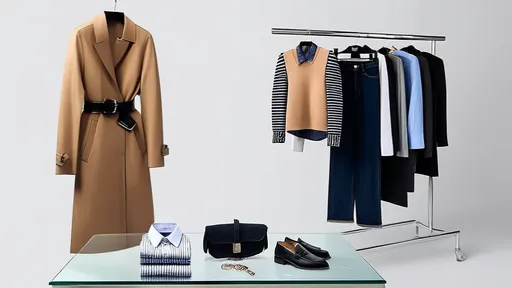
While originally conceived for autumn/winter dressing, innovative stylists have adapted the four-layer approach for year-round wear. Spring interpretations might feature a silk camisole as the base layer with a lightweight cardigan and trench coat. Summer versions utilize breathable linens and open-weave knits for coastal elegance. The formula's genius lies in its adaptability across climates and personal styles.
Contemporary fashion icons have embraced this layered approach, demonstrating its range. Street style stars pair athletic vests with hoodies beneath technical outerwear, while red carpet regulars opt for satin slips beneath cashmere wraps and fur coats. The common thread remains the thoughtful progression from thinnest to thickest layers, creating intentional depth.
Historical Roots and Modern Evolution
Layering traces back to practical medieval dressing, but the specific four-layer formula gained prominence through Japanese fashion innovators in the 1990s. Designers like Yohji Yamamoto and Rei Kawakubo explored architectural silhouettes through strategic layering, influencing global fashion consciousness. Today's iterations maintain that avant-garde spirit while becoming more accessible through contemporary brands.
The workplace has become an unexpected arena for this styling approach. Forward-thinking professionals layer sleeveless knit vests beneath blazers, adding both warmth and dimension to traditional suiting. This office-appropriate adaptation proves the formula's versatility beyond casual applications.
Accessories play a crucial supporting role in the four-layer look. Scarves add another textural element when draped over knitwear, while belts can define the waist when multiple layers threaten to overwhelm the silhouette. Footwear choices ground the ensemble - chunky boots balance voluminous layers, while sleek loafers maintain refinement.
Shopping the Four-Layer Wardrobe
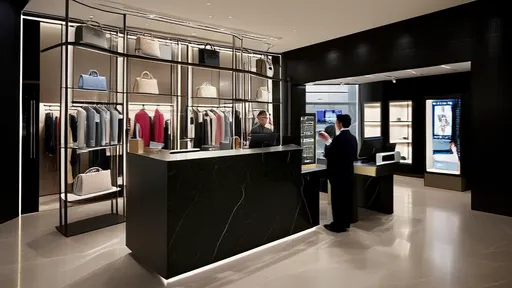
Building a capsule for this dressing approach requires investment in versatile pieces. Start with neutral base layers that mix and match effortlessly, then introduce statement items gradually. Quality matters more than quantity - well-constructed layers drape better and maintain their shape throughout daily wear and seasonal changes.
Fashion psychologists note how this methodical approach to dressing satisfies our desire for both self-expression and security. The layers literally and figuratively provide protection while allowing for personal creativity. In an era of fast fashion, the four-layer formula encourages thoughtful purchases and inventive styling of existing wardrobe items.
As sustainability becomes increasingly important, this layered approach offers an antidote to disposable fashion. By rotating and recombining core items, wearers reduce the need for constant new purchases. The formula inherently promotes a "buy less, wear more" mentality while keeping looks fresh through endless layering permutations.
The four-layer dressing formula represents more than just a styling trick - it's a philosophy of intentional dressing that balances form and function. As fashion continues evolving toward personalized expression and mindful consumption, this versatile approach provides a framework for creativity within structure. Whether interpreted classically or experimentally, the vest + shirt + knitwear + outerwear combination promises to remain relevant across seasons and style revolutions.

By /Aug 13, 2025

By /Aug 13, 2025

By /Aug 13, 2025

By /Aug 13, 2025

By /Aug 13, 2025

By /Aug 13, 2025

By /Aug 13, 2025

By /Aug 13, 2025

By /Aug 13, 2025
By /Aug 13, 2025

By /Aug 13, 2025
By /Aug 13, 2025

By /Aug 13, 2025
By /Aug 13, 2025

By /Aug 13, 2025

By /Aug 13, 2025
By /Aug 13, 2025
By /Aug 13, 2025
By /Aug 13, 2025
By /Aug 13, 2025
